
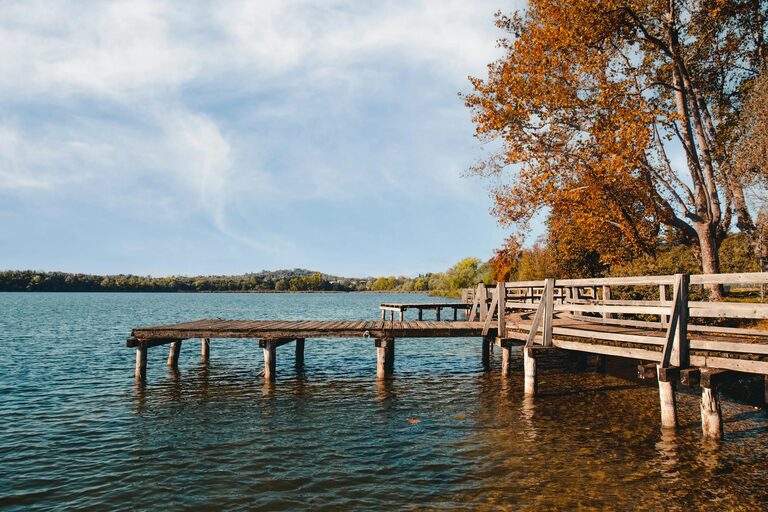
Taking time off to relax and recharge is essential for maintaining balance in our busy lives. However, weekends sometimes bring unexpected stressors instead of the calm we hope for. Whether it’s running errands, responding to messages, or last-minute tasks, a stressful weekend can leave you feeling more exhausted than refreshed. The good news is, with thoughtful planning, you can design a no-stress weekend that helps you unwind and renew your energy.
In this guide, we’ll walk through steps to plan a weekend that prioritizes your relaxation and happiness.
Why Plan a No-Stress Weekend?
Weekends are your chance to recover from weekday pressures. Without a plan, it becomes easy to fall into reactive habits like overcommitting, rushing from one thing to another, or neglecting your well-being. Planning ahead lets you set boundaries and create space for what truly matters.
Step 1: Set Clear Intentions
Start by deciding what you want your weekend to look like. Are you aiming for rest, recreation, social time, or a mix? Reflect on how you feel and what you need:
– Do you need more sleep or quiet time?
– Would you like to spend time outdoors or be creative?
– Is connecting with friends or family important?
Write down your intentions to keep your focus clear.
Step 2: Prioritize and Simplify Tasks
Make a quick list of any chores or errands you want to address. Then decide which ones are necessary and which can wait. Aim to keep the list short to avoid feeling overwhelmed.
Tips for simplifying errands:
– Combine errands that are close by to save time.
– Delegate tasks when possible.
– Consider delaying non-urgent duties until after the weekend.
Step 3: Create a Loose Schedule
Instead of overplanning, craft a flexible outline of your weekend activities. Include:
– Time blocks for rest, meals, and hobbies.
– Designated “do not disturb” periods for device-free downtime.
– Open slots to remain spontaneous.
A loose plan provides structure without pressure.
Step 4: Prepare Your Environment
A relaxing environment supports a stress-free mindset. Some ideas to get ready:
– Declutter common areas to create calm spaces.
– Stock up on favorite snacks, drinks, or books.
– Plan cozy opportunities like a warm bath, scented candles, or soft blankets.
Small touches can make a big difference.
Step 5: Limit Digital Distractions
Phones and screens can contribute to stress through constant notifications and information overload.
Try these strategies:
– Turn off non-essential notifications.
– Set specific times to check messages or social media.
– Use apps or settings that reduce blue light in the evening.
Reducing screen time frees up mental energy.
Step 6: Focus on Enjoyable Activities
Make time for things that bring you joy and relaxation. This could include:
– Reading a book or listening to music.
– Taking a gentle walk or spending time in nature.
– Engaging in hobbies such as cooking, crafting, or gardening.
– Practicing mindfulness, meditation, or gentle stretching.
Choosing enjoyable activities helps you recharge effectively.
Step 7: Nourish Your Body and Mind
Eating well and staying hydrated supports both physical and mental relaxation.
Simple tips:
– Cook nourishing meals you enjoy, or try easy new recipes.
– Keep water accessible throughout the day.
– Avoid heavy caffeine or alcohol, especially in the evening.
Combine good nutrition with restful sleep for the best results.
Step 8: Practice Saying No
It’s okay to decline invitations or requests that might add stress. Saying no preserves your energy and ensures your weekend stays restorative.
Remember:
– Prioritize your well-being.
– Communicate your plans kindly but firmly.
– Recognize that setting boundaries is healthy.
Step 9: Reflect and Adjust
At the end of your weekend, take a moment to reflect on what worked well and what could improve.
Ask yourself:
– Did I feel relaxed and recharged?
– Which activities brought me the most joy?
– Were there moments of stress I could avoid next time?
Use these insights to make future weekends even more fulfilling.
—
Final Thoughts
A no-stress weekend doesn’t mean doing nothing. It means thoughtfully choosing how to spend your time so that you come away feeling happier and more balanced. By setting intentions, simplifying tasks, and prioritizing rest and enjoyment, you can create weekends that truly replenish you.
Start planning your next no-stress weekend today—it’s a small investment with big rewards for your well-being.